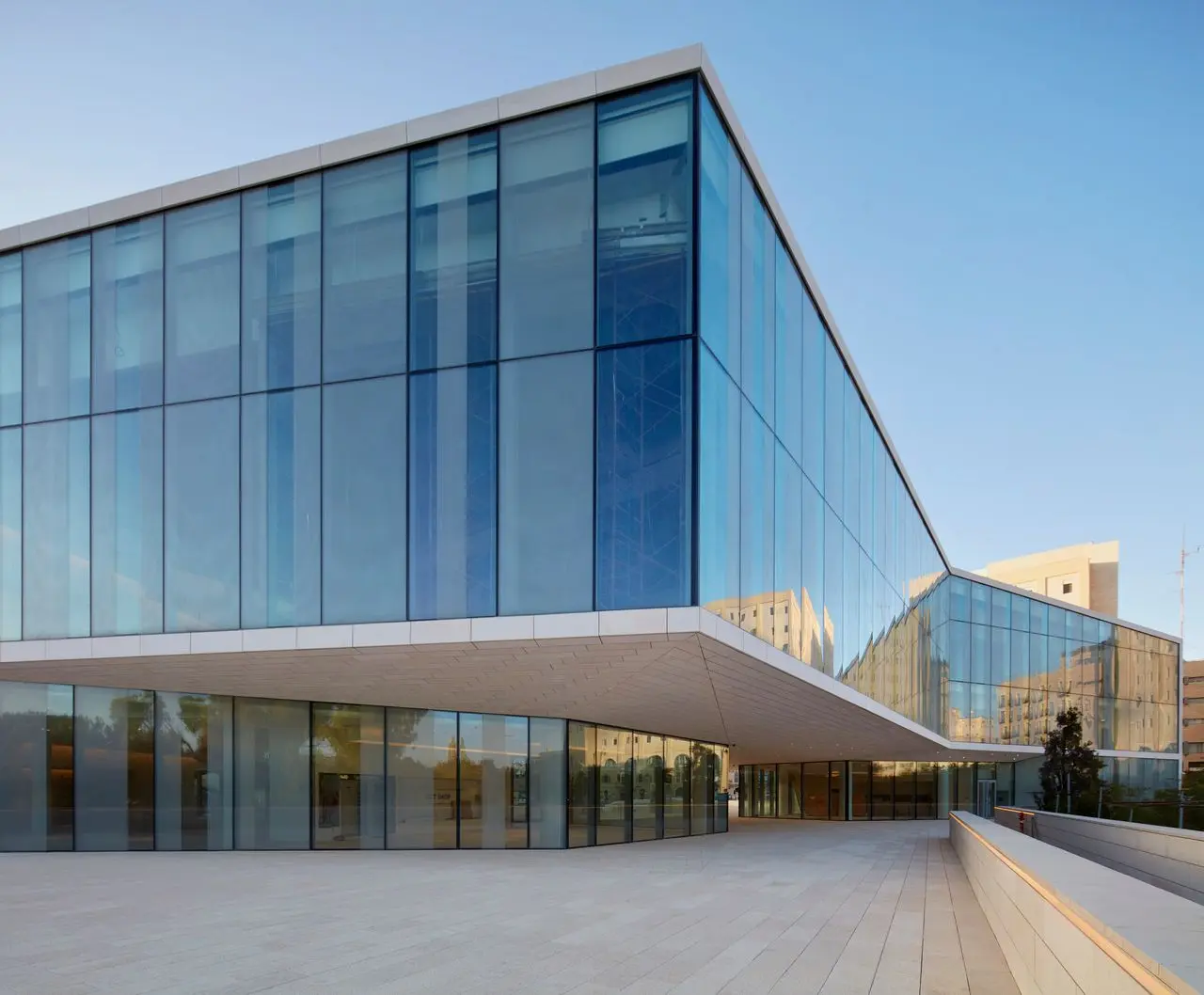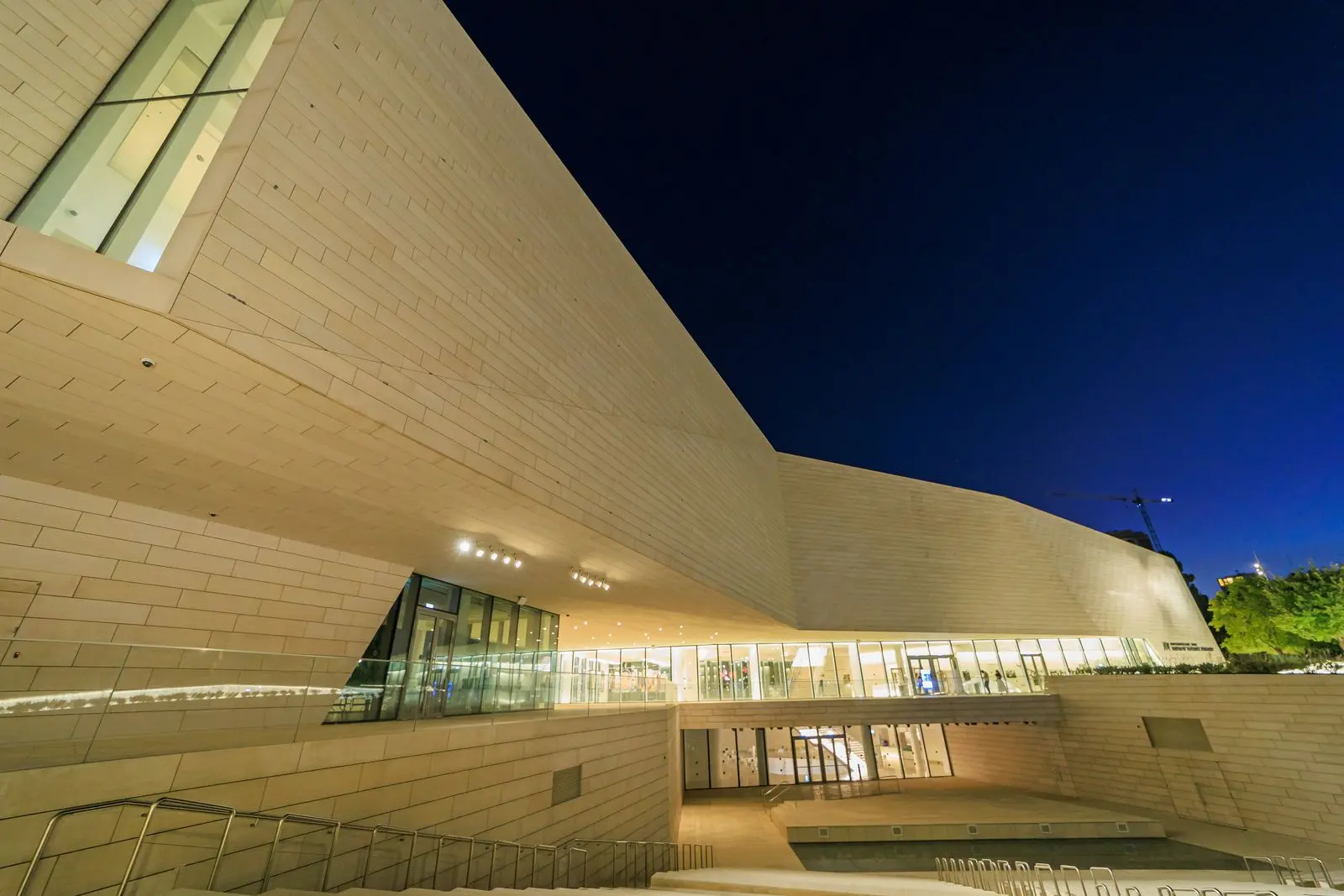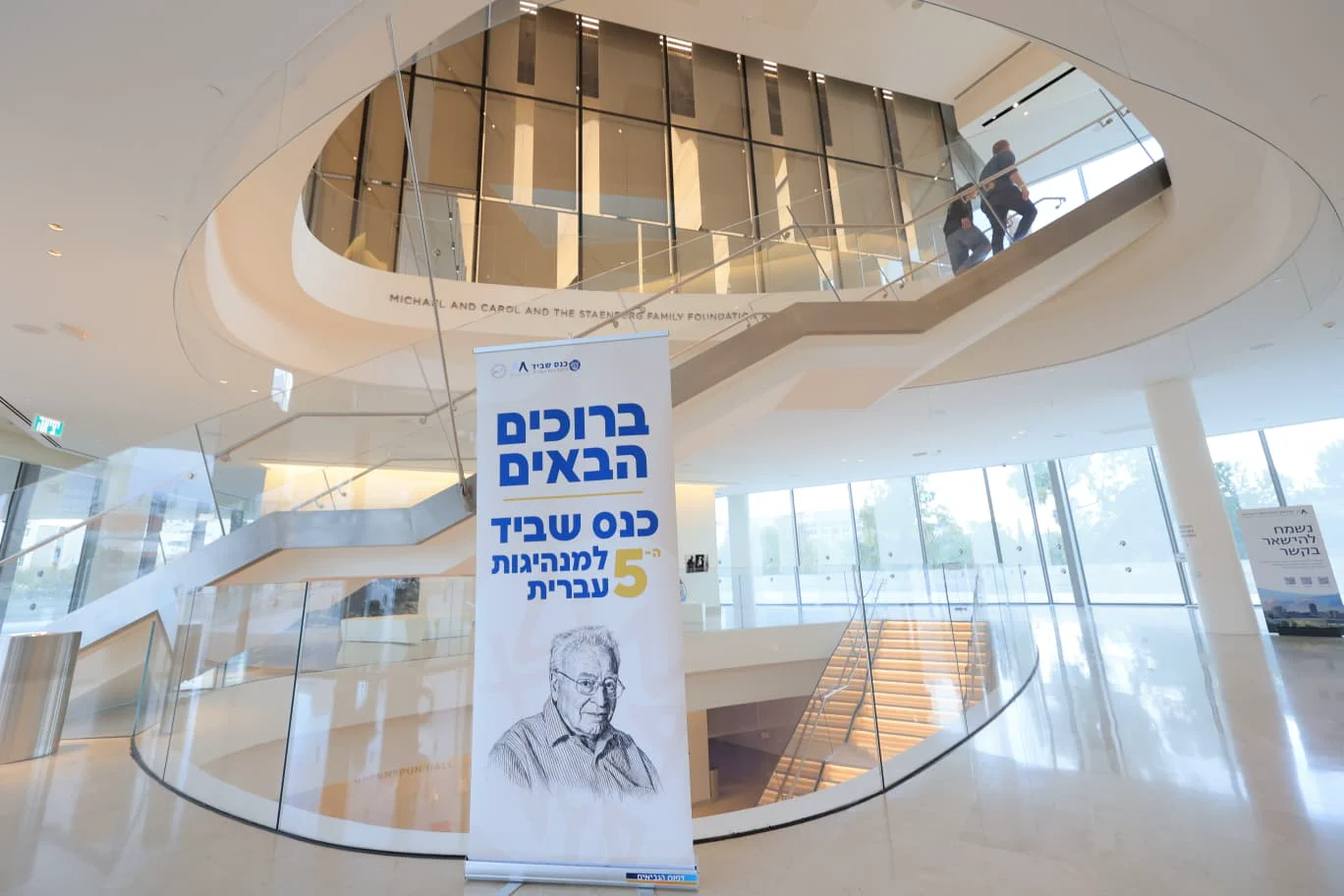
The Jerusalem Museum of Tolerance held on Thursday evening, January 29, its fifth Shevet conference of Migdal Eyn Parat for leadership. The event brought together female and male students of various ages and backgrounds who gathered in the museum halls to discuss issues of Jewish leadership, identity, and ethics. During the conference, sessions were held with participation of students, teachers, and researchers, dealing with Jewish thought and contemporary ethical challenges, connecting historical study to current questions.
The conference was dedicated to the ideological legacy of Professor Eliazer Sviat, one of Israel’s leading thinkers, and highlighted the ongoing relevance of his ideas to questions of identity, morality, and ethics in Israeli society. Saviad saw Jewish identity and Zionism as a process based on ethical commitment and belonging to a shared story, requiring responsibility, moral courage, and enduring ethical choice.
Erez Eshel, founder of Ein Prat: “We dream of reality. Look at the students — different ages, different genders, sitting together and wanting greatness. They are not here for money or credit. They are here because they want depth, responsibility, and the ability to be something beyond. Such a thing does not exist at universities. Not in Israel. Not anywhere. And yet — it happens here, every Thursday.”
Ein Prat Yeshiva regularly holds study days at the Jerusalem Museum of Tolerance, as part of programs curated by the Museum’s School of Civic Discourse. These study days offer Mishna students an in-depth experience in leadership, ethics, and civic engagement. The Shevet conference was built on this foundation and created a space that blends historical study, value-based discussion, and active learning.
The students, many of whom are in their late teens or early twenties, brought personal experience and a willingness to engage in meaningful learning. Yael, 19: “The main reason I chose Ein Prat is that it felt strange to me that I didn’t know my religious brothers. I come from a secular family, and it was very strange to me that I didn’t really know religious Jews.”
Their words reflect the Jerusalem Museum of Tolerance’s vision to promote dialogue between different groups in Israeli society. The collaboration with Ein Prat Yeshiva enables a meeting between students from diverse backgrounds and contributes to joint exploration of identity, heritage, and questions of society and citizenship, while encouraging open and respectful dialogue between different cultural and religious perceptions.
Nitzan, another student, reinforced this feeling: “I realized that I miss the study itself a lot… I want it to take place in a meaningful way. Ein Prat is one of the few places where that is possible. Like Erez said — they offer both reality and dream. This knowledge is mine now. No one can take it away from me.”
The collaboration between the Jerusalem Museum of Tolerance and Ein Prat Yeshiva created a framework for joint study and discussion, addressing questions of identity, responsibility, and leadership. The conference emphasized the importance of connecting knowledge, values, and action as part of preparing the next generation of Jewish leadership.